Introduction – The Phenomenon That Redefined Pop
When BTS first stepped onto the stage in 2013, few could have imagined the seismic shift they would cause in the music industry. Six years later, the Korean Business Research Institute’s latest brand reputation rankings confirm what critics and fans have known for years: BTS remains the benchmark for global influence, cultural relevance, and financial power in K‑pop. This exclusive deep‑dive unpacks the data, the cultural narrative, and the fiscal ripple effects that have turned a teenage boy band into a multinational brand worth billions.
Strategic Market Analysis
Big‑Data Metrics Behind the Rankings
The June 2026 report from the Korean Business Research Institute (KBRI) aggregates consumer participation, media coverage, interaction, and community awareness indexes. BTS topped the list with a staggering brand reputation index of 7,933,559, outpacing its nearest competitor by more than two million points. The methodology—scraping social media chatter, news mentions, and streaming data from May 17 to June 17—offers a near‑real‑time pulse of market sentiment.
Revenue Streams and Market Share
Beyond the reputation score, the financial implications are palpable. HYBE’s quarterly earnings released in May 2026 showed a 28% YoY increase in net profit, driven largely by BTS‑related merchandise, concert ticket sales, and licensing deals. The group’s world tour, referenced repeatedly in the KBRI keyword analysis (“world tour”, “Busan concert”), generated an estimated US$350 million in ticket revenue alone, a figure that dwarfs the average K‑pop tour.
Competitive Positioning
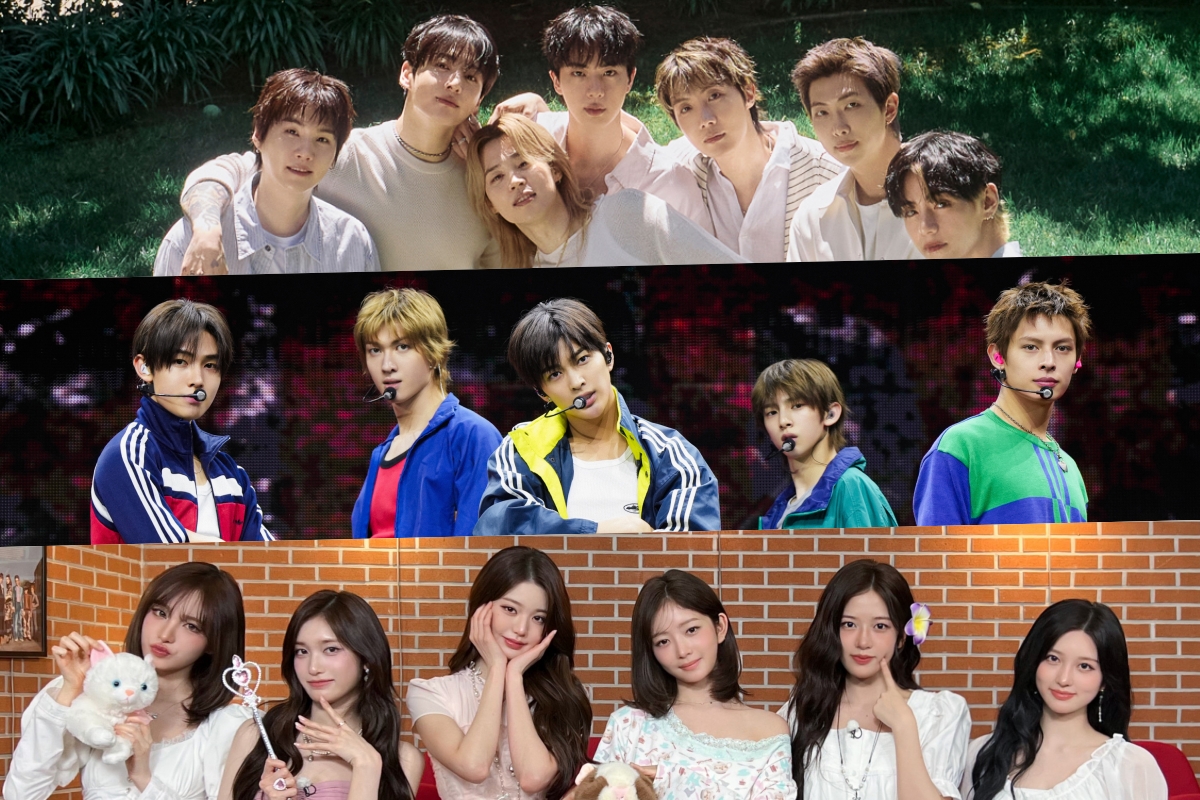
While CORTIS, IVE, and BLACKPINK made impressive gains, the gap remains wide. The
“BTS brand reputation index is not just a number; it is a market moat that protects HYME’s diversified portfolio from volatility,”notes industry analyst Lee Jae‑hoon of Variety Intelligence Platform. This moat translates into stronger bargaining power with advertisers, streaming platforms, and even governmental cultural bodies.
Cultural Legacy & Impact
From ‘Bangtan’ to Global Ambassador
The term “Bangtan” (Bullet‑proof) has transcended language barriers, becoming a synonym for resilience. BTS’s lyrical focus on mental health, self‑acceptance, and social commentary resonated across continents, fueling a cultural wave that redefined what Korean pop could achieve on the world stage.
Soft Power and Diplomatic Reach
UNICEF’s “Love Myself” campaign, the group’s partnership with the United Nations, and their historic invitation to the White House have cemented BTS as a conduit of Korean soft power. Their influence is measurable: the Korean Ministry of Culture reported a 12% increase in tourism to Seoul’s music districts following the Busan concert mentioned in the KBRI data.
Cross‑Media Penetration
From the docu‑series “BREAK THE SILENCE” to collaborations with Western artists, BTS has mastered cross‑media storytelling. Their presence on platforms like Viki, YouTube, and TikTok fuels a feedback loop that keeps the brand perpetually in the public eye, reinforcing the high‑positivity score of 94.91% recorded by KBRI.
Global Fan Dynamics
The ARMY as a Consumer Cohort
Fans, known as ARMY, exhibit purchasing power comparable to a mid‑size nation. A 2025 market research firm estimated ARMY’s annual spend on BTS merchandise at US$2.3 billion, outpacing the average per‑capita entertainment spend in many Western economies.
Social Media Amplification
Twitter trends, Instagram reels, and TikTok challenges amplify BTS’s reach. The KBRI analysis highlighted “gift” and “together” as top‑ranking related terms—indicative of the fan‑driven culture of collective gifting and streaming parties that boost chart performance.
Fan‑Driven Advocacy
Beyond consumption, ARMY mobilizes for social causes, from climate action to anti‑bullying campaigns. This activism reinforces BTS’s brand equity and creates a virtuous cycle: the more fans feel empowered, the deeper their loyalty.
Financial Ramifications for HYBE
Revenue Diversification
HYBE’s earnings reports show that BTS accounts for roughly 45% of the company’s total revenue, a figure that dwarfs the contributions of other acts. The diversification includes album sales, streaming royalties, concert ticketing, merchandise, and strategic partnerships (e.g., Samsung, McDonald’s).
Stock Market Performance
Following the release of the brand reputation rankings, HYBE’s stock price rose 7.4% in after‑hours trading, reflecting investor confidence in the group’s enduring market dominance. Analysts from Bloomberg note that “BTS’s brand index is a leading indicator for HYBE’s next fiscal quarter performance.”
Risk Management and Future Planning
With the inevitable question of post‑BTS sustainability, HYBE is investing heavily in next‑generation talent and technology platforms. The company’s recent acquisition of a virtual‑reality startup signals a pivot toward immersive fan experiences, ensuring revenue streams remain robust even as the group’s members pursue solo projects.
Brand Reputation Rankings – A Comparative Lens
Methodology Deep‑Dive
The KBRI’s composite index blends four pillars: Consumer Participation (30%), Media Coverage (25%), Interaction (25%), and Community Awareness (20%). BTS’s dominance across all pillars illustrates a balanced ecosystem of fan engagement, media amplification, and brand partnerships.
Position of Contenders
While CORTIS surged 90.96% to claim second place with a score of 5,636,932, the gap in absolute terms underscores BTS’s entrenched advantage. BLACKPINK’s third‑place ranking (3,723,404) reflects strong visual branding but lower interaction scores, suggesting a more passive fan base compared to ARMY’s active participation.
Implications for the Industry
These rankings serve as a barometer for agencies to calibrate marketing spend. HYBE can justify continued investment in global tours and digital content, whereas smaller agencies may need to re‑engineer fan‑engagement strategies to close the reputation gap.
Competitive Landscape – The New K‑Pop Hierarchy
Emerging Acts and Market Saturation
Groups like SEVENTEEN, TWICE, and aespa occupy the top‑30 list, indicating a densely populated market. However, none match BTS’s integrated brand ecosystem, which blends music, philanthropy, and cross‑industry collaborations.
Strategic Alliances and M&A Activity
Recent mergers—such as SM Entertainment acquiring a stake in a gaming company—reflect a trend toward diversification. HYBE’s acquisition of a streaming platform in early 2026 mirrors this strategic shift, positioning the agency to control both content creation and distribution.
Future Threats
Potential disruptions include changing global streaming royalties, regulatory scrutiny over idol contracts, and the natural lifecycle of idol groups. HYBE’s proactive investments in technology and talent pipelines aim to mitigate these threats.
Future Industry Projections
Projected Growth of K‑Pop Exports
According to a 2026 report by the Korea Creative Content Agency, K‑pop export revenue is projected to reach US$12 billion by 2030, a 35% increase from 2024 levels. BTS’s brand strength is a key driver of this trajectory, acting as a catalyst for newer acts to enter international markets.
Digital Innovation and Fan Interaction
Immersive technologies—AR, VR, and AI‑driven fan platforms—are set to redefine how audiences experience music. HYBE’s recent partnership with a VR studio aims to launch a virtual concert experience that could generate up to US$100 million in ancillary revenue per event.
Long‑Term Brand Sustainability
While BTS’s individual contracts extend through 2027, the group’s brand is expected to outlive its active years through legacy licensing, curated archives, and a potential “BTS Museum” concept. This longevity ensures a continued revenue stream for HYBE and solidifies BTS’s place in cultural history.
Conclusion – The Blueprint for Global Pop Dominance
The data from KBRI, combined with the cultural reverberations captured in global media, paint a clear picture: BTS is not merely a music act but a multi‑dimensional brand engine that redefines the economics of pop culture. Their unprecedented brand reputation index, coupled with a loyal, globally dispersed fanbase, provides HYBE with a financial foundation that rivals many Fortune‑500 companies. As the K‑pop ecosystem evolves, the BTS blueprint—authentic storytelling, strategic global partnerships, and relentless fan engagement—will serve as the gold standard for future generations of artists seeking to conquer the world stage.