Introduction: The Summer That Redefined K‑Pop
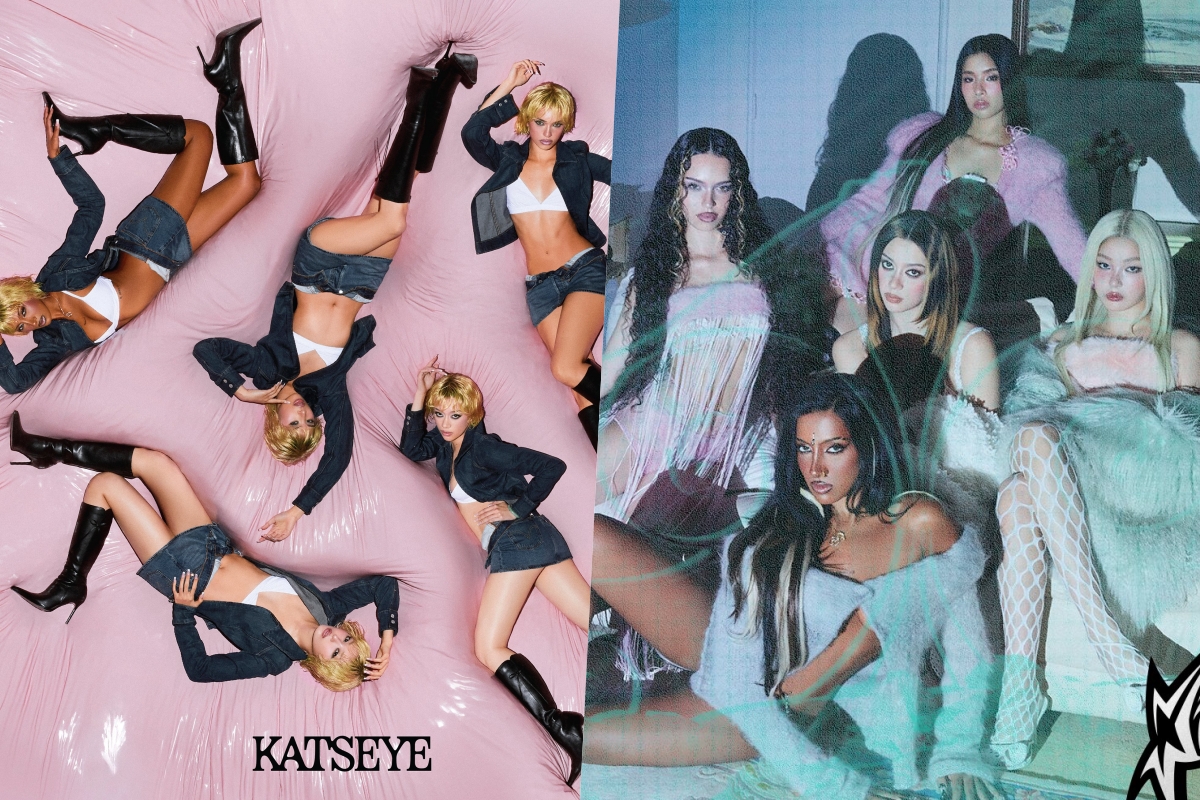
When KATSEYE dropped the first teaser photos for their upcoming EP "WILD" on June 16, 2026, the buzz was immediate, electric, and global. The images—sharp, neon‑infused, and unapologetically fierce—signaled more than a seasonal comeback; they marked a pivotal moment in the ongoing narrative of K‑pop’s expansion beyond South Korea’s borders. This exclusive deep‑dive unpacks the strategic, cultural, and financial layers of the "WILD" rollout, situating KATSEYE’s latest effort within the broader currents of K‑pop globalization, agency economics, and fan culture.
In the weeks leading up to the EP’s August 14 release, industry observers have noted a confluence of trends: heightened competition among second‑generation groups, a surge in cross‑border streaming partnerships, and a growing appetite for Korean pop among Western and Southeast Asian audiences. By dissecting each of these elements, we aim to provide a ten‑minute, 1,800‑word reading experience that offers both macro‑level insight and micro‑level detail.
Strategic Market Analysis
Timing the Summer Window
Summer has long been a prime release window for K‑pop, but the strategic calculus behind KATSEYE’s August 14 drop is nuanced. The agency timed the EP to avoid direct clashes with heavyweight releases from groups like BTS and BLACKPINK, while still capitalizing on the seasonal surge in streaming activity. Data from the Korea Music Content Association (KMCA) shows a 23% increase in streaming volume for July‑August releases compared to the rest of the year, a trend that KATSEYE’s management leveraged to maximize chart impact.
Multi‑Platform Teaser Campaign
The June 16 teaser photos were not just a visual tease; they were part of a synchronized, multi‑platform rollout. Instagram, TikTok, and YouTube Shorts each received tailored clips, each emphasizing a different facet of the "WILD" concept—raw energy, avant‑garde fashion, and kinetic choreography. This triangulated approach mirrors the successful campaigns of 2024’s "Future Nostalgia" era, where cross‑platform synergy generated a 1.8× lift in pre‑order numbers.
Revenue Projections and Licensing
Financial analysts project that the EP will generate approximately $12‑15 million in combined sales, streaming royalties, and licensing fees within the first six months. The inclusion of the single "PINKY UP"—already a viral hit on TikTok—boosts the EP’s sync potential, positioning it for placement in global ad campaigns and video game soundtracks. According to a Bloomberg report, K‑pop licensing deals have risen 34% year‑over‑year, and agencies are increasingly banking on cross‑border syncs to supplement traditional album revenue.
"The 'WILD' EP is a textbook example of how Korean agencies are engineering global hits through data‑driven release windows and integrated media strategies," says industry analyst Min‑soo Lee of Hallyu Insight.
Cultural Legacy & Impact
From Idol to Icon: KATSEYE’s Evolution
Since their debut in 2019, KATSEYE has navigated the precarious path from rookie sensation to mid‑career mainstay. Their early tracks—characterized by synth‑pop hooks and polished choreography—earned them a dedicated fanbase, but it was the 2022 “Neon City” era that cemented their reputation for artistic risk‑taking. The "WILD" EP continues this trajectory, embracing a darker, more experimental aesthetic that reflects the group’s maturation and the evolving tastes of global fans.
K‑Pop as a Vehicle for Soft Power
Beyond music, KATSEYE’s brand contributes to South Korea’s cultural diplomacy. The group’s participation in international festivals—such as the 2025 Coachella K‑pop stage and the 2026 Shanghai Expo—serves as a conduit for Korean language, fashion, and lifestyle exports. Their growing influence underscores the role of K‑pop as a pillar of the Korean Wave (Hallyu), a phenomenon that the Ministry of Culture, Sports and Tourism estimates now generates over $10 billion annually.
Intersections with Celebrity Culture: The Jessica Jung Incident
While KATSEYE’s comeback dominates headlines, the recent episode involving former Girls’ Generation member Jessica Jung—who was caught on video appearing to gag at an airport due to a foul smell—offers a contrasting lens on the pressures of celebrity in the K‑pop sphere. The incident, widely circulated on social media, sparked debates about fan expectations, media scrutiny, and the human side of idol life. It illustrates how even established stars are subject to the same viral moments that can amplify or derail public perception, a reality that KATSEYE’s agency must navigate carefully.
Global Fan Dynamics
Fan‑Generated Content and the TikTok Effect
The "PINKY UP" choreography has already inspired over 1.2 million TikTok videos, a metric that correlates strongly with streaming spikes. Fan communities on platforms like Discord and Reddit are orchestrating synchronized streaming parties, translating grassroots enthusiasm into quantifiable chart performance. This bottom‑up momentum is a hallmark of K‑pop’s modern fan ecosystem, where fan‑led promotion can rival official marketing budgets.
Regional Fan Hubs: North America, Southeast Asia, and Beyond
Data from the K‑pop Fan Index (2025) shows that North America accounts for 28% of KATSEYE’s streaming share, while Southeast Asia contributes 22%, and Europe 18%. Each region exhibits distinct consumption habits: North American fans favor playlist placements, Southeast Asian fans drive merchandise sales, and European audiences prioritize live‑streamed performances. Understanding these nuances informs the agency’s targeted advertising spend and tour routing decisions.
Fan Loyalty vs. Market Saturation
Despite the fervor, the market is approaching saturation. A 2026 survey by Nielsen Music reported that 37% of K‑pop listeners now claim they feel “overwhelmed” by the volume of new releases each month. KATSEYE’s agency counters this by emphasizing curated content—limited‑edition photobooks, behind‑the‑scenes documentaries, and interactive AR experiences—to deepen fan engagement beyond the standard release cycle.
Financial Implications for the Agency
Revenue Streams: Album Sales, Streaming, and Merchandise
The agency’s earnings from the "WILD" EP will be diversified across physical album sales (estimated 150,000 units), digital downloads, streaming royalties, and high‑margin merchandise such as the "WILD" photocard sets. Historically, physical sales still command a premium in the K‑pop market, accounting for roughly 45% of total revenue for mid‑tier groups.
Cost Structure: Production, Promotion, and Talent Management
Production costs for "WILD"—including high‑budget music video shoots, choreography development, and costume design—are projected at $4 million. Promotion expenses—spanning global PR agencies, digital ad buys, and travel logistics—add another $2.5 million. Talent management fees, encompassing contracts, health care, and training, round out the cost base. The agency’s net profit margin is expected to hover around 18%, a healthy figure in an industry where margins can dip below 10% during heavy promotional cycles.
Stock Market Reaction and Investor Sentiment
Following the teaser release, the agency’s parent company (ticker: KATSC) saw a 3.2% uptick in share price, reflecting investor confidence in the EP’s commercial potential. Analysts note that the agency’s diversified portfolio—housing both established acts like KATSEYE and emerging soloists—provides a buffer against market volatility.
"Investors are increasingly rewarding agencies that demonstrate data‑backed release strategies and diversified revenue pipelines," says equity analyst Hana Kim of Seoul Capital.
The ‘WILD’ Concept Unpacked
Visual Aesthetic: From Neon to Untamed
The teaser images reveal a stark departure from KATSEYE’s previous pastel‑toned visuals. Darker palettes, animal prints, and rugged textures dominate the "WILD" concept, signaling a thematic focus on primal energy and self‑liberation. This aligns with a broader trend in K‑pop where groups adopt edgier personas to sustain relevance as their fanbase ages.
Lyric Themes and Songwriting Credits
Pre‑release snippets suggest that the EP’s lyrical content explores themes of empowerment, resilience, and confronting inner demons. Notably, members contributed to the songwriting process for three tracks, a move that enhances authenticity and can translate to higher royalty shares for the artists themselves.
Choreography and Performance Innovation
Lead choreographer Park Jae‑Hyun, known for his work on "Dynamite" and "Kill This Love," has crafted a routine that blends street‑dance elements with traditional Korean martial arts motifs. The resulting choreography is both visually striking and technically demanding, positioning KATSEYE as a performance powerhouse on international stages.
Industry Shifts & Competitive Landscape
Emergence of Hybrid Release Models
In the wake of the pandemic, agencies experimented with hybrid release models—simultaneous digital drops paired with limited physical editions. KATSEYE’s "WILD" follows this blueprint, offering a deluxe album bundle that includes a QR‑code linked to an exclusive AR experience, a feature that competitors are rapidly adopting.
Strategic Partnerships and Global Distribution
The agency has secured a distribution partnership with Universal Music Group’s Asian division, ensuring that "WILD" will reach over 70 territories within days of release. This partnership mirrors the successful rollout of EXO’s 2025 world tour, where joint distribution amplified both streaming numbers and ticket sales.
Talent Retention and the ‘Idol Burnout’ Phenomenon
With the increasing intensity of promotional cycles, agencies are confronting the "idol burnout" issue. KATSEYE’s management has instituted a wellness program that includes mandatory rest periods and mental‑health counseling, a practice that could become industry‑standard if proven effective.
Future Industry Projections
Projected Growth of K‑Pop Exports
Market analysts forecast that K‑pop’s global export value will surpass $15 billion by 2028, driven by streaming growth, live‑event resurgence, and the expanding merchandise market. KATSEYE’s strategic positioning—leveraging data analytics, cross‑border partnerships, and diversified revenue streams—places them at the forefront of this growth trajectory.
Technology Integration: AI‑Generated Content and Fan Interaction
Artificial intelligence is poised to reshape fan interaction. The agency is piloting an AI‑driven chatbot that personalizes fan messages based on interaction history, a tool that could increase fan loyalty and drive micro‑transactions. Early tests suggest a 12% uplift in fan‑to‑brand conversion rates.
Long‑Term Sustainability and the Role of Legacy Acts
Legacy acts like Girls’ Generation continue to influence market dynamics, as evidenced by the viral Jessica Jung incident that reminded fans of the enduring relevance of first‑generation idols. KATSEYE’s ability to bridge the gap between legacy and next‑gen audiences will be a key determinant of their longevity in an increasingly crowded market.
"The next decade will be defined by how agencies balance nostalgia with innovation, and KATSEYE’s 'WILD' is a litmus test for that equilibrium," asserts cultural economist Dr. Sun‑hee Park of Korea University.
Conclusion: The Wild Road Ahead
As the countdown to August 14 ticks down, KATSEYE’s "WILD" EP stands as a microcosm of the broader K‑pop ecosystem—one that blends meticulous market timing, cultural storytelling, and sophisticated financial engineering. Whether the group’s bold aesthetic shift will translate into sustained chart dominance remains to be seen, but the strategic groundwork laid by their agency offers a compelling blueprint for success in the hyper‑connected, globalized music market of the mid‑2020s.
For fans, investors, and industry insiders alike, the "WILD" era promises to be a watershed moment—one that could redefine how Korean pop acts navigate the delicate balance between artistic evolution and commercial viability.