Digital Ethics Under Scrutiny Following Unauthorized BLACKPINK AI Edits
The K-pop industry is currently abuzz with heated discussions regarding digital ethics and intellectual property rights after a Korean fashion brand, Yunse, found itself at the center of a significant controversy. Netizens recently sounded the alarm, accusing the brand of utilizing AI-generated modifications on official photographs of the global superstars, BLACKPINK, without securing the necessary permissions from the artists or their management agency.
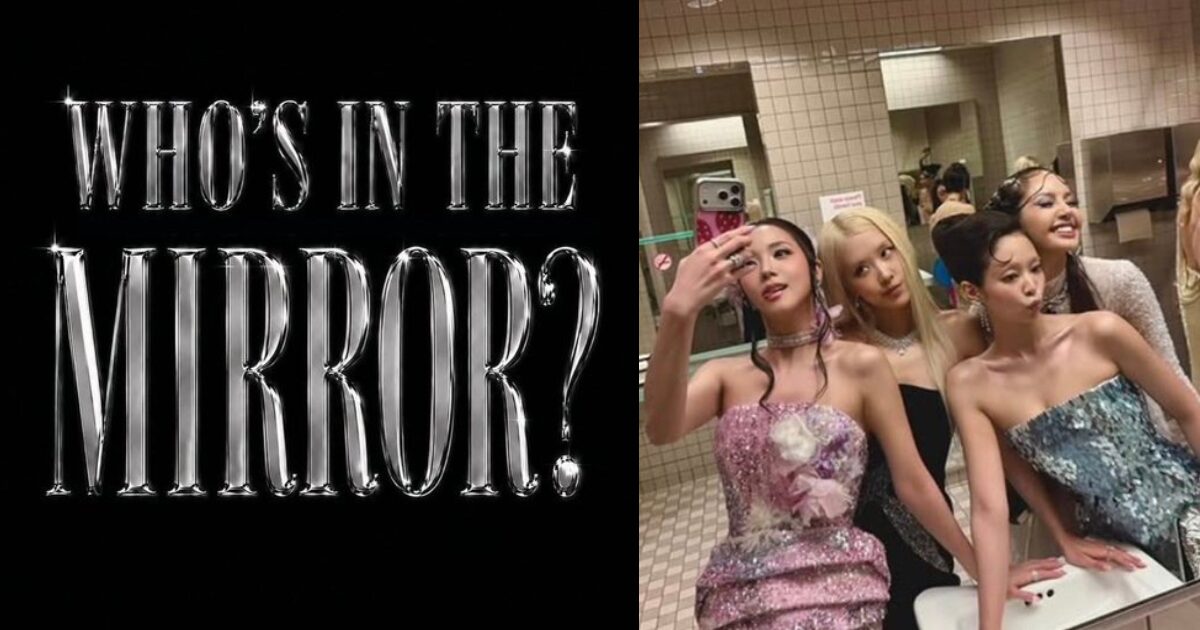
The incident centers on a set of viral photos captured during the group's appearance at the Met Gala. According to widespread reports circulating across various Korean online communities, the brand allegedly took these high-profile images and processed them through AI editing software to alter the members' appearances for promotional purposes. Fans, known collectively as BLINKs, were quick to spot the inconsistencies in the images, noting that the AI-enhanced versions distorted the natural aesthetic of the original photographs. The unauthorized use of these images has sparked a wave of indignation, with many fans arguing that it is a blatant disregard for the performers' likeness rights.
Curious to know if your personality matches BlackPink? Take our K-Pop MBTI Test →
As the digital landscape evolves, the intersection of artificial intelligence and celebrity branding has become increasingly complex. This situation highlights the growing tension between rapid-fire social media marketing and the protective measures required to ensure that high-profile talent is represented accurately and ethically. For a group as internationally influential as BLACKPINK, any unauthorized manipulation of their image is viewed not just as a breach of professional conduct, but as a violation of their personal brand identity. While the brand has yet to issue a formal apology regarding the specific accusations, the backlash serves as a stark warning to other companies operating in the K-pop sphere. As fans continue to demand accountability, the incident underscores the urgent need for brands to respect the boundaries of digital content usage. It remains to be seen whether the company will address these concerns or if the controversy will lead to stricter regulations regarding AI usage in celebrity-endorsed marketing campaigns moving forward.