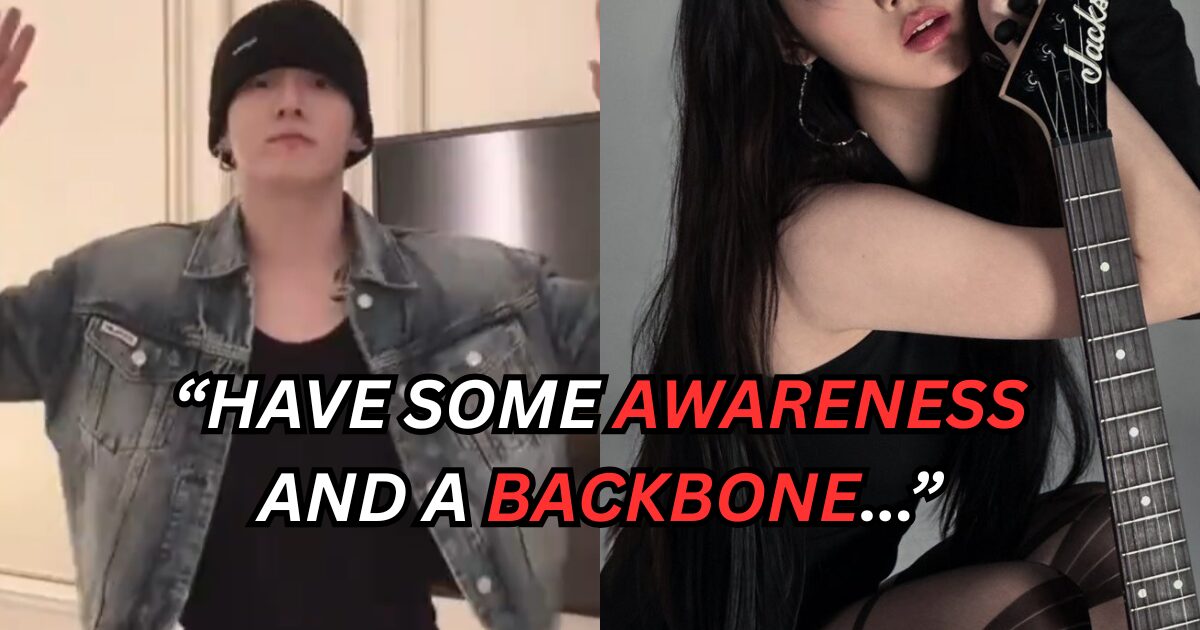
A 4th-generation girl group member has gone viral for her blunt denial to participate in a trending dance challenge.
The idol in question is Jiyoon, a member of the now-disbanded girl group Weeekly.
Curious to know if your personality matches Jungkook? Take our K-Pop MBTI Test →
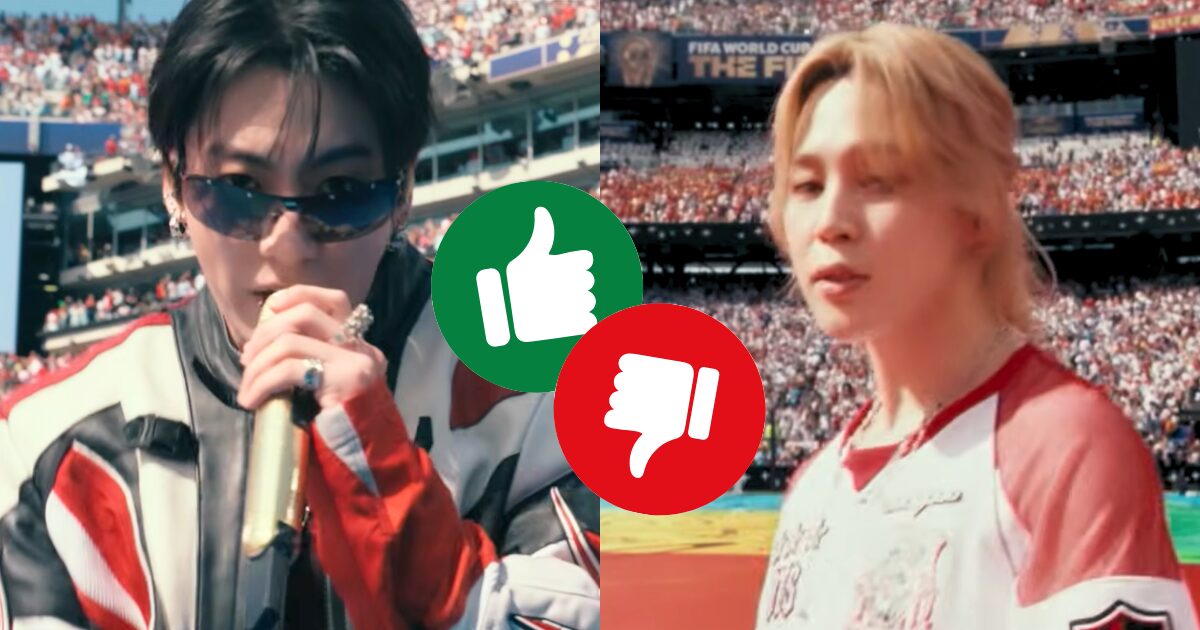
During a recent live broadcast on social media, Jiyoon was asked if she would do the “GG EZ” dance challenge. It’s a trending challenge that many top K-Pop idols have already participated in, including BTS’s Jungkook, IVE’s Yujin, and ILLIT’s Iroha.
🕒 TIKTOK
Jungkook post:
GG EZ July 25, 2026
However, Jiyoon simply refused to participate in the challenge, her reason being that it was an AI-generated track. She admitted that she liked the choreography but wasn’t on board with AI-generated music.
Jiyoon refusing to do the “GG EZ” challenge because it’s an ai song which some people don’t realise. She also talked about the struggles of being an artist lately because even like restaurants play ai songs instead of real songs because it’s free. rel='nofollow noopener' target='_blank'> rel='nofollow noopener' target='_blank'>
pic.twitter.com/IXmnohrtxS
— Jeeethoven 🌌 Daileee till the end~ (@yeppeossong)
Jiyoon has been vocally against the use of generative AI as an artist, pointing out how it steals opportunities from human artists.
The controversy surrounding Jiyoon's stance on generative AI in K-Pop has sparked a heated debate among fans and industry professionals. Many have taken to social media to express their support for Jiyoon’s views, while others argue that the use of AI-generated music is a necessary step forward for the industry.This isn’t the first time Jiyoon has spoken out against the use of generative AI in K-Pop. In an interview earlier this year, she expressed her concerns about the impact it could have on human artists and the creative process.
Jiyoon’s refusal to participate in the “GG EZ” challenge has also sparked a discussion about the role of AI-generated music in K-Pop trends. Some argue that AI-generated tracks are easier to produce and don’t require the same level of creativity or effort as human-written songs.