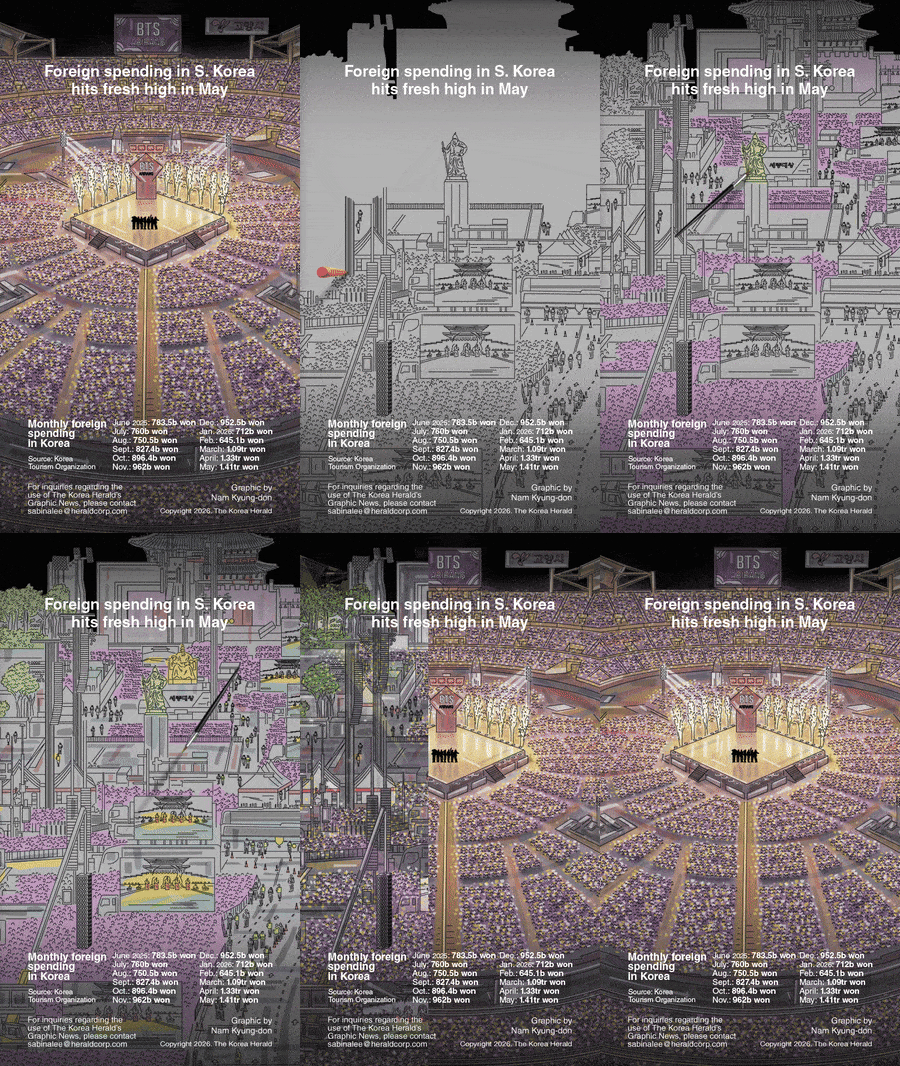
Monthly spending by foreign tourists in South Korea reached a record high of over 1.4 trillion won ($913 million) in May, marking the third consecutive month foreign spending surpassed 1 trillion won, data showed. This significant increase in tourism revenue can be attributed to the global phenomenon of K-pop, with numerous international fans flocking to the country to experience their favorite groups' music, dance, and culture.
The credit card spending by inbound travelers came to 1.41 trillion won in May, up 73.7 percent from a year earlier, according to the data from the Korea Tourism Organization. This substantial growth in foreign spending is not only a testament to the enduring popularity of K-pop but also highlights South Korea's growing reputation as a premier tourist destination.
Curious to know if your personality matches BlackPink? Take our K-Pop MBTI Test →
- According to the Korea Tourism Organization, May marked the third consecutive month that foreign spending surpassed 1 trillion won, with a total of 1.41 trillion won spent by inbound travelers. This significant milestone underscores the country's increasing appeal to international tourists.
- The surge in foreign spending can be attributed in part to the growing popularity of K-pop globally, with numerous international fans traveling to South Korea to experience their favorite groups' music, dance, and culture. This phenomenon has been fueled by the success of groups such as BTS, Blackpink, and EXO, among others.
- The credit card spending by inbound travelers in May represented a 73.7 percent increase from the same period last year, with a total of 1.41 trillion won spent on various goods and services. This substantial growth in foreign spending is expected to have a positive impact on South Korea's economy, particularly in the tourism sector.
- The data also highlights the significant contribution made by Chinese tourists to South Korea's tourism revenue, with Chinese travelers accounting for approximately 50% of total inbound travel spending. This underscores the importance of maintaining strong diplomatic relations with China and promoting cultural exchange between the two nations.
- South Korea's tourism industry is expected to continue its upward trend in the coming months, driven by the ongoing popularity of K-pop and the country's unique cultural offerings. As a result, the government is likely to implement measures to support the growth of the sector, including investments in infrastructure and marketing campaigns aimed at attracting more international tourists.
- The impact of foreign spending on South Korea's economy is expected to be felt beyond the tourism sector, with ripple effects on industries such as retail, hospitality, and entertainment. As the country continues to capitalize on its K-pop phenomenon, it is likely that these sectors will experience significant growth in the coming months.
The surge in foreign spending has also had a positive impact on South Korea's economy, with the government forecasting a significant increase in tourism revenue for 2023. This growth is expected to contribute to the country's GDP and provide a boost to local businesses, particularly those involved in the tourism sector.
As K-pop continues to sweep the globe, it remains to be seen how South Korea will capitalize on this phenomenon and continue to attract international tourists. However, one thing is clear: the country's unique cultural offerings and its commitment to promoting cultural exchange are key factors in its success as a premier tourist destination.