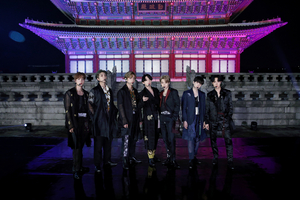
Korea's cultural heritage is finding new life beyond museums and historic sites. As history, folklore and tradition become a key creative engine behind Korean pop culture's global expansion, K-pop, films, dramas, and games are bringing the nation's past to audiences around the world.
The following stories examine how each industry is making heritage part of its global success. With the K-pop genre now a global phenomenon, artists are increasingly drawing on Korea's history, music, and visual traditions to craft unique and captivating content that resonates with fans worldwide.
Curious to know if your personality matches BlackPink? Take our K-Pop MBTI Test →
- K-pop groups like BTS and Blackpink have been at the forefront of this trend, incorporating traditional Korean instruments, dance moves, and lyrics into their music. For example, BTS's Love Yourself album features a track called 'Her', which samples an ancient Korean folk song. This blending of past and present has not only helped K-pop artists connect with their heritage but also introduced fans to the rich cultural history of Korea.
- The success of Korean dramas like Crash Landing on You and Descendants of the Sun can be attributed in part to their incorporation of Korean history, folklore, and mythology. These shows often feature traditional clothing, architecture, and musical elements that add depth and authenticity to the narrative.
- Korean films like Parasite, which won several Academy Awards in 2020, have also been celebrated for their unique blend of social commentary and cultural heritage. The film's director, Bong Joon-ho, drew inspiration from Korean history and folklore to create a critically acclaimed work that resonated with global audiences.
- K-pop games like Kingdom: The Blood are also tapping into Korea's rich history and mythology. This game features a unique blend of strategy and role-playing elements set in ancient Korea, allowing players to experience the country's cultural heritage in an immersive and interactive way.
- The rise of K-pop has also led to increased interest in traditional Korean music. Artists like Lee Hyori have been experimenting with new sounds and styles that blend traditional Korean instruments with modern production techniques. This fusion of past and present has resulted in a fresh and innovative sound that appeals to fans worldwide.
- The global success of K-pop can also be attributed to the role of social media platforms like TikTok, which have democratized access to Korean culture and allowed artists to connect directly with fans. The hashtag #Kpop has become a cultural phenomenon, with millions of users sharing their love for K-pop music, fashion, and dance.
The convergence of heritage and pop culture is not only elevating Korea's global profile but also providing new opportunities for artists to express themselves creatively. As the country continues to push boundaries in the entertainment industry, it will be exciting to see how K-pop, films, dramas, and games continue to incorporate and celebrate Korea's rich cultural heritage.
With its unique blend of history, music, and visual traditions, Korean pop culture is poised to become an even more significant force in the global entertainment industry. As fans worldwide continue to engage with and appreciate Korea's cultural heritage, it will be interesting to see how this trend continues to shape the future of K-pop and beyond.