A Legacy Marred by Intrusion
Renowned singer and musical actor Kim Jun-su recently opened up about the harrowing realities of his time as a member of TVXQ, exposing the extreme levels of harassment he endured from obsessive fans. In a candid appearance on singer Sung Si-kyung’s YouTube channel, Kim reflected on the transition from idol life to his successful career in musical theater, shedding light on the psychological toll caused by those who violated his personal boundaries.
Kim detailed a chilling reality where privacy was non-existent. He recounted instances where fans would obtain his new phone number almost immediately after he changed it. In one particularly disturbing incident, while riding in a car toward his dorm, he received a phone call from an anonymous fan who taunted him with the chilling question: "Did you think I wouldn't know?" This level of surveillance left him feeling completely overwhelmed and vulnerable, as no space—not even his own residence—was considered safe from unauthorized entry.
Curious to know if your personality matches aespa? Take our K-Pop MBTI Test →
The Cycle of Unruly Behavior
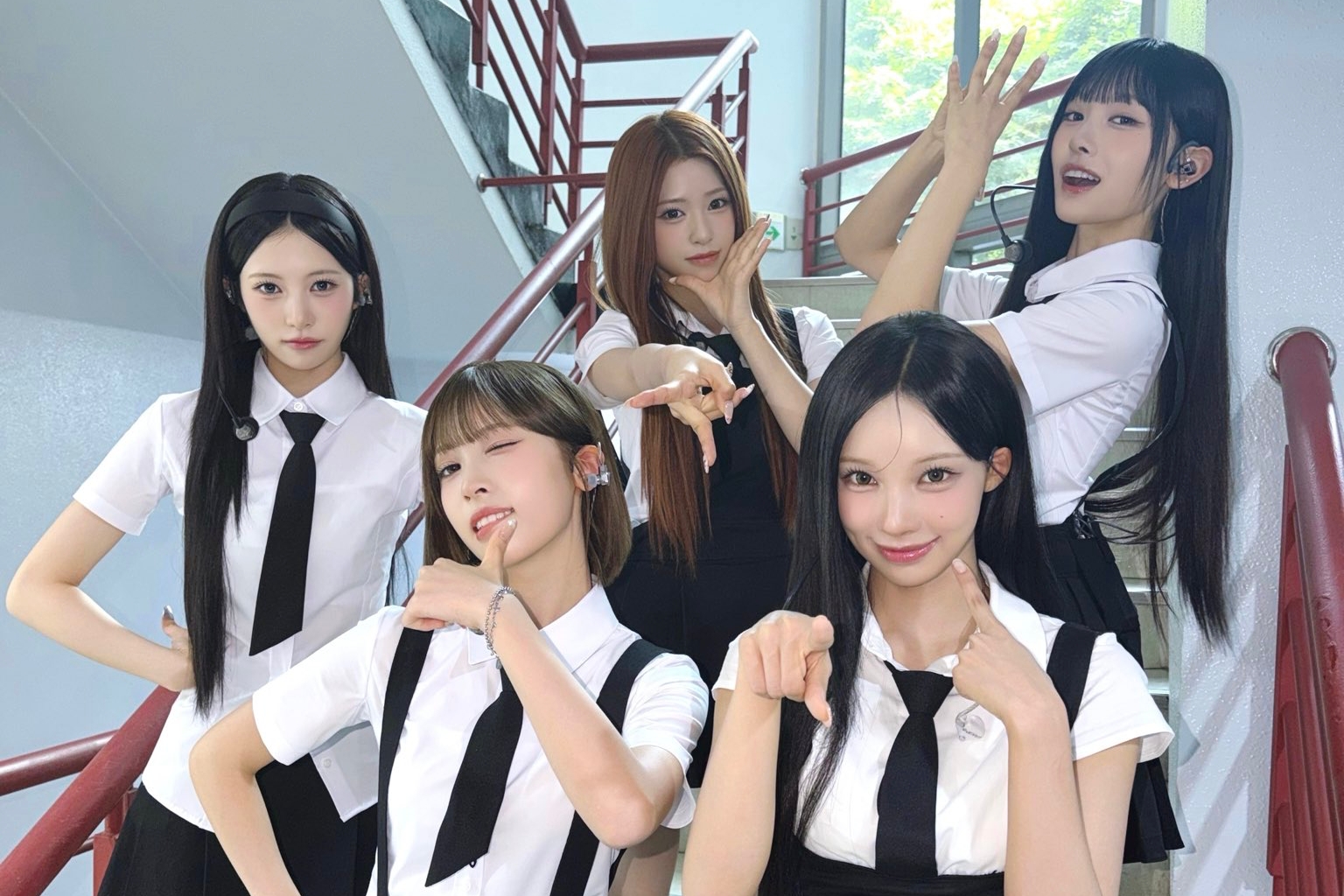
The conversation pivoted to the broader culture of K-pop fandom, with Sung Si-kyung noting a recent experience sharing a flight with aespa. He described the distressing sight of the exhausted group members being swarmed by dozens of fans immediately after passing through passport control. Kim confirmed that this chaotic atmosphere is a systemic issue that has persisted for decades.
Beyond the airport, Kim recalled the indignity of being accosted in the most private of settings. He shared that female fans would frequently hide inside restroom stalls, waiting for him to enter so they could emerge and demand autographs while he was using the facilities. These anecdotes serve as a stark reminder of the invasive behaviors that stars are often forced to endure in the pursuit of their craft. While the K-pop industry has reached unprecedented global heights, Kim’s testimony underscores the urgent need for better protection and respect for artists' boundaries. His bravery in speaking out highlights that behind the glamorous milestones and chart-topping success, the human cost of fame and obsessive fan culture remains a significant challenge that the industry must address to ensure the well-being of its performers.