The Shadow of 'Perfect Crown' Continues to Haunt MBC
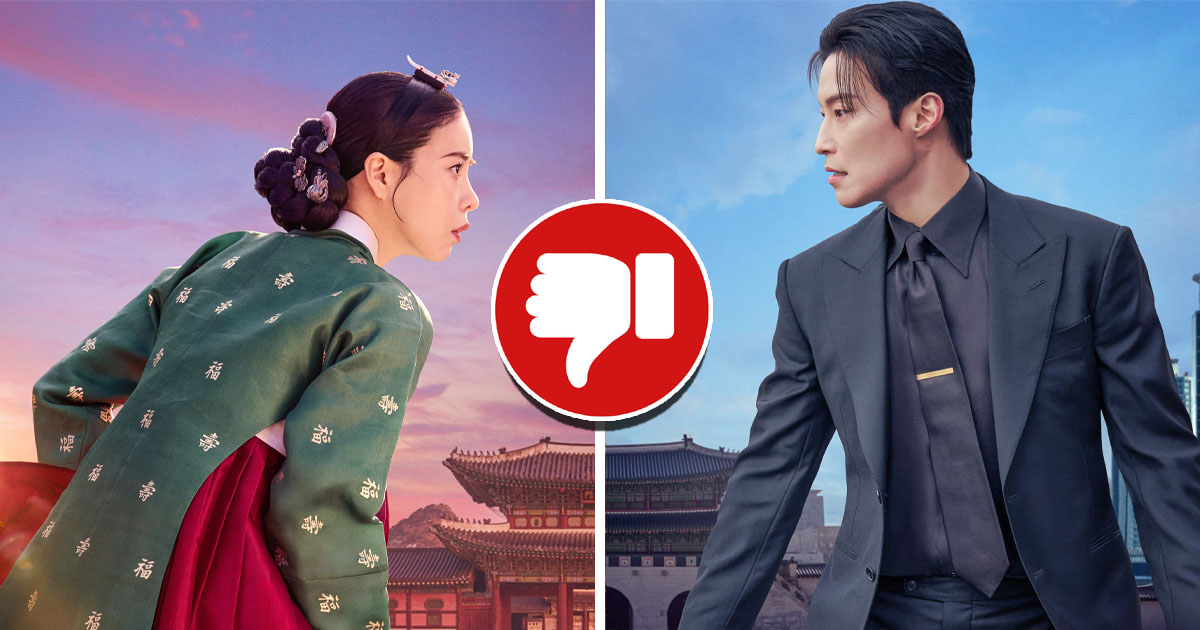
The South Korean broadcasting landscape is currently navigating a period of intense scrutiny as MBC faces renewed public backlash following a recent programming decision. This latest development stems from the lingering controversy surrounding the drama Perfect Crown, a series that ignited significant debate during its initial run and continues to be a point of contention for viewers and critics alike.
Perfect Crown, which centered on a fictional constitutional monarchy, found itself at the heart of a national discourse regarding historical sensitivity, character representation, and the delicate intersection of fictional narratives with real-world political implications. Despite the series reaching its conclusion, the fervor surrounding its content has not dissipated. Instead, it has transitioned from a critique of the show’s writing into a broader movement questioning the editorial oversight and decision-making processes within MBC.
Curious to know if your personality matches Perfect Crown? Take our K-Pop MBTI Test →
The persistence of the 'Perfect Crown' backlash underscores a growing trend in K-drama consumption: audiences are increasingly holding networks accountable for the sociopolitical narratives they choose to platform, regardless of whether a series has concluded its broadcast run.
Industry analysts suggest that this situation is emblematic of a shift in the power dynamic between major networks and the Korean public. Viewers are no longer passive consumers; they are active participants in the discourse, as evidenced by the formal petitions calling for the total removal of the content from streaming services. This pushback highlights a significant risk for production houses and broadcasters: the failure to accurately gauge public sentiment on sensitive cultural or political themes can lead to long-term reputational damage that persists long after the final episode airs.
As MBC attempts to manage the fallout, the industry is closely watching how the network navigates the demands for accountability. This case serves as a stark reminder that in the hyper-connected era of K-media, narrative choices carry weight that extends far beyond the screen, forcing executives to weigh creative freedom against the increasingly vocal expectations of a global and domestic audience that demands cultural precision and political awareness.