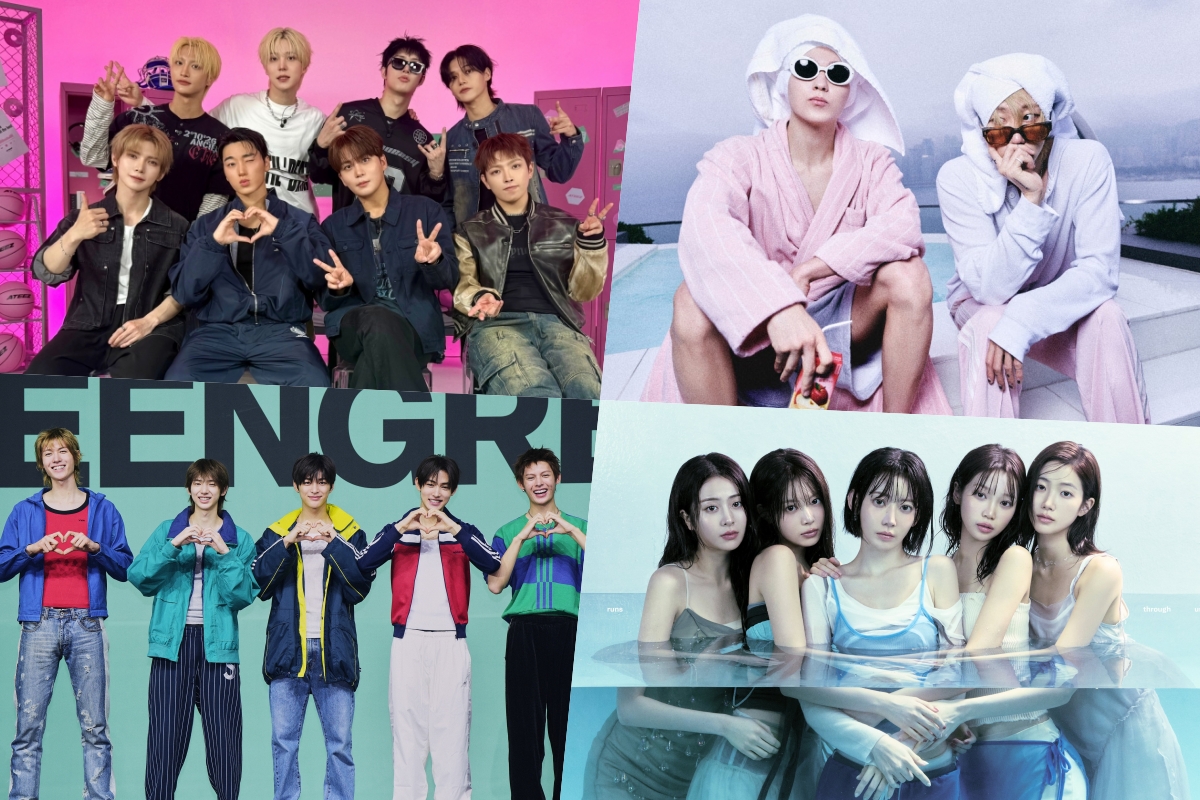
Unpacking the Polarizing Discourse on Idol Etiquette
The K-pop landscape is currently embroiled in a heated debate following the emergence of a viral video compilation that purports to highlight instances of rude behavior among popular male idols. The footage, which features high-profile stars including ENHYPEN’s Sunghoon, CORTIS’s James, Stray Kids’ Hyunjin, and BTS’s V, has sent shockwaves through social media, reigniting long-standing conversations regarding the disparate standards applied to male and female performers within the industry.
For years, fans and industry analysts have noted a stark contrast in how the public and media perceive the actions of idols based on their gender. While female idols are frequently scrutinized for the slightest perceived breach of etiquette or a momentary lapse in expression, their male counterparts often find themselves shielded by a different set of expectations. This latest compilation has served as a catalyst for fans to voice their frustrations, arguing that the industry’s tolerance for controversial behavior is heavily skewed. Critics of the video argue that the clips are taken out of context, stripping away the nuances of long rehearsals, exhaustion, and the pressures of constant surveillance that these stars face daily. They maintain that interpreting brief, fragmented moments as definitive evidence of poor character is unfair and reductive.
Curious to know if your personality matches Stray Kids? Take our K-Pop MBTI Test →
Conversely, many viewers are utilizing the video as a springboard to demand higher standards of professionalism across the board. The discourse has expanded beyond simple criticism, evolving into a broader analysis of how K-pop culture fosters these hierarchies. Supporters of this movement highlight that accountability should not be gender-exclusive, emphasizing that if female idols are held to perfectionist standards, male idols must be held to the same level of scrutiny. The split in public opinion remains profound, reflecting the deep-seated tensions within the global fandom. As the conversation continues to gain momentum, it serves as a sobering reminder of the immense pressure idols face under the global spotlight. Whether these incidents represent genuine character flaws or are merely manifestations of the grueling demands of the entertainment world, the debate has undeniably shifted the focus toward the necessity of empathy and consistency in how we analyze the behavior of our favorite stars.