The Weight of Interaction in the Fourth Generation Era
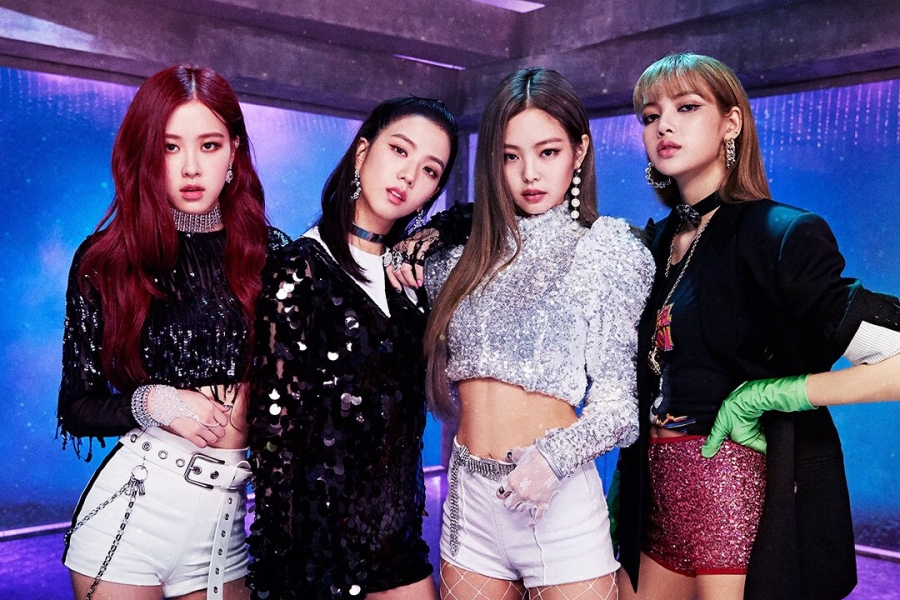
In the high-stakes environment of the K-pop industry, where every interaction is captured by high-definition lenses and dissected by global fanbases, the public demeanor of senior idols has become a subject of intense scrutiny. Recently, BLACKPINK member Jennie found herself at the center of a social media discourse following her attendance at a Chanel event in Seoul. The internet has been rife with side-by-side comparisons of her interactions with ILLIT’s Wonhee and members of NewJeans, highlighting the hyper-awareness surrounding inter-generational dynamics within the HYBE and YG Entertainment ecosystems.
Contextualizing the Industry Landscape
The discourse stems from a perceived discrepancy in warmth during public meetings. While Jennie, a global ambassador for Chanel, is often viewed as a fashion icon and a senior figure in the industry, her every gesture is interpreted as a signal of industry alliances or personal preferences. The comparison between her meeting with Wonhee—a rising star under the BELIFT LAB label—and her history with NewJeans, who are managed by ADOR, has triggered polarized reactions across major platforms.
Curious to know if your personality matches BlackPink? Take our K-Pop MBTI Test →
The Impact of Public Perception
- Industry Seniority: As an established global superstar, Jennie’s interactions often set the tone for how veteran idols are expected to mentor or welcome newer generations.
- Brand Representation: Events of this nature are highly curated, and professional obligations often dictate the brevity or style of social interactions.
- Fandom Dynamics: The current competitive climate between various K-pop fandoms often leads to the over-analysis of fleeting moments, turning brief greetings into narratives of conflict or favoritism.
Reframing the Narrative
It is essential for analysts and observers to distinguish between calculated professional demeanor and genuine personal sentiment. Throughout her career, Jennie has maintained a status as one of the most recognizable figures in music and fashion, often balancing the intense pressure of constant observation. The scrutiny directed toward these specific interactions underscores a broader trend in K-pop: the tendency of netizens to project complex industry rivalries onto the personal conduct of individual artists. Ultimately, while the visual evidence may be subject to varying interpretations, it remains a reflection of the intense, unforgiving spotlight that defines modern celebrity culture in South Korea.