Navigating the Hyper-Sensitive Landscape of K-Pop Aesthetics
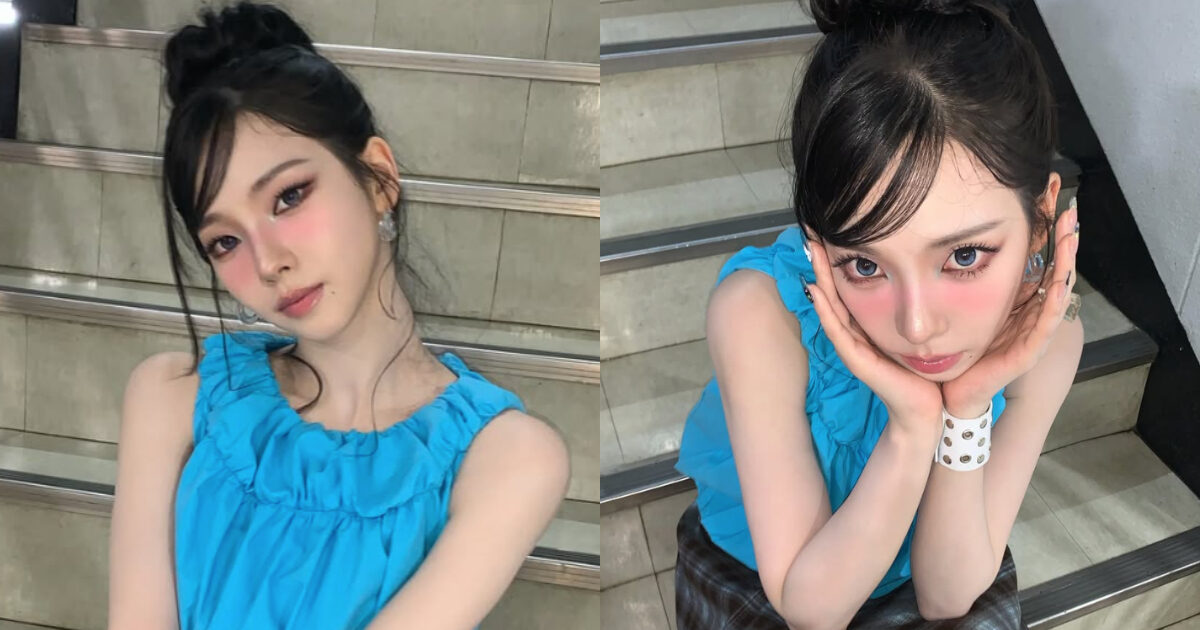
In the high-stakes world of K-pop, where every visual choice is scrutinized for potential ideological implications, aespa’s Karina has once again found herself at the center of an unintentional controversy. The incident, which unfolded on June 2, highlights the narrowing margin for error that top-tier idols face when navigating public perception in a polarized digital environment. The contention arose following a series of Instagram photos where Karina donned a bright blue outfit paired with matching contact lenses. While the styling appeared to be a standard fashion-forward choice consistent with the group's futuristic aesthetic, internet speculation quickly linked the color choice to political sensitivities surrounding an upcoming date of national significance.
For industry observers, this episode is a textbook case of how fan-driven discourse can transform benign creative expression into a heated debate. In the current K-pop climate, agencies are increasingly tasked with managing not just the musical output of their artists, but the semiotics of their personal social media presence. The rapid escalation of this situation underscores a growing trend where international and domestic fanbases project their own political anxieties onto the visual cues of global stars. SM Entertainment has long maintained a strategy of polished, calculated imagery, yet even the most curated feeds are now vulnerable to the hyper-vigilance of netizen culture.
Curious to know if your personality matches Karina? Take our K-Pop MBTI Test →
The intersection of pop culture and political symbolism has created an environment where the absence of intent does not guarantee immunity from scrutiny.
The incident serves as a reminder of the immense pressure placed on artists like Karina, whose every post acts as a potential flashpoint. As the industry continues to evolve, the challenge for management teams lies in balancing the creative autonomy of idols with the need to navigate an increasingly volatile public discourse. Whether this serves as a momentary blip or a broader indicator of how celebrities will be forced to curate their digital lives remains to be seen. Ultimately, the situation reflects a broader shift in the entertainment landscape, where the aesthetic choices of an idol are no longer viewed in isolation but as part of a complex, often unpredictable socio-political tapestry.