The Intersection of Pop Culture and Digital Scrutiny
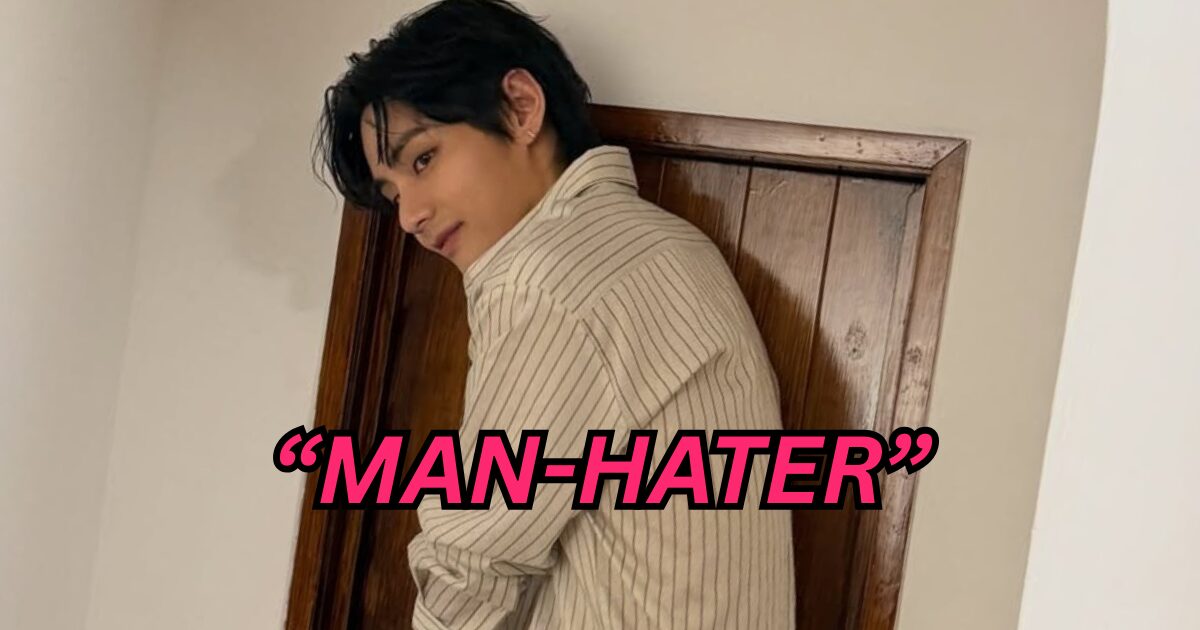
In the hyper-accelerated ecosystem of modern K-pop, few figures command the level of scrutiny reserved for BTS member V. Recently, the global superstar found himself at the center of a peculiar and highly charged online discourse following the release of his vlog, titled 'One Lucky Day.' The video, intended as a candid, low-stakes look into the artist’s personal life, inadvertently sparked a heated debate within certain online communities regarding his choice of music and perceived social signaling.
The controversy emerged when V was filmed singing along to the track 'Wonder Woman' while driving. In an era where digital detectives analyze every frame of celebrity content for hidden agendas, the song selection was quickly weaponized by segments of the internet to label the idol with the provocative moniker of 'misandrist.' This reaction highlights a growing trend in K-pop fandom culture: the hyper-politicization of mundane celebrity actions, where personal entertainment choices are often dissected through the lens of identity politics.
Curious to know if your personality matches BTS? Take our K-Pop MBTI Test →
The digital discourse surrounding V’s vlog serves as a case study in how parasocial relationships and intense online scrutiny can transform a simple moment of leisure into a platform for polarized cultural debate.
From an industry analyst’s perspective, the incident is less about the song itself and more about the volatile nature of celebrity image management. V, known for his curated and artistic public persona, often finds that his most authentic moments are the ones most susceptible to misinterpretation. By documenting his daily life, V invites fans into an intimate space, yet this vulnerability comes at the cost of being subject to the relentless 'gotcha' culture that permeates social media platforms today.
Ultimately, this 'misandry' narrative is a reflection of the current climate in which K-pop idols operate—a landscape where their influence is so vast that even a casual singalong can trigger a broader sociopolitical conversation. As BTS continues to navigate their individual journeys, the challenges faced by V underscore the complex reality of maintaining personal authenticity while living under the microscope of a global audience that is eager to assign deeper meaning to every gesture. The industry remains split on whether such discourse is a byproduct of genuine social awareness or a symptom of an increasingly reactionary digital environment.