Navigating the Global Spotlight
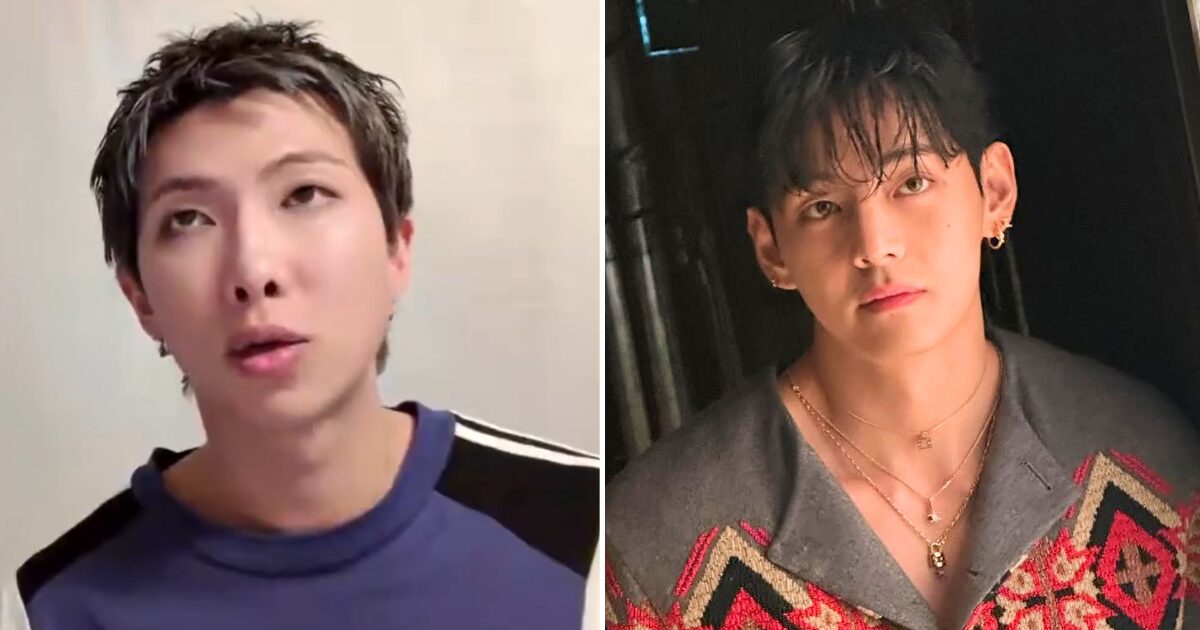
As the leader of BTS, RM (Kim Namjoon) has long been regarded as the intellectual and emotional anchor of the global septet. However, recent remarks made by the artist during a live broadcast have sparked a nuanced debate regarding the treatment of members within the high-pressure environment of HYBE and the broader K-pop industry. While the group is currently celebrating monumental achievements, including their recent wins at the American Music Awards, the discourse surrounding RM's comments highlights the growing scrutiny placed on the internal dynamics of top-tier idol groups.
The Context of Industry Expectations
Since their debut in 2013, BTS has maintained a reputation for transparency and close-knit brotherhood. Yet, as the group transitioned from rising stars to global icons—breaking records with albums like Map of the Soul: 7 and Proof—the logistical and psychological demands placed upon them have intensified. RM’s recent commentary has been interpreted by some netizens as a critique of how the management handles the individual needs of the members amidst a relentless schedule. Historically, HYBE (formerly Big Hit Entertainment) has been praised for its artist-centric approach, but these recent remarks suggest that even within the most successful structures, the tension between commercial output and individual welfare remains a critical point of friction.
Curious to know if your personality matches Mina? Take our K-Pop MBTI Test →
Key Factors Influencing Public Discourse
- The 'Leader' Burden: RM often occupies the position of spokesperson, a role that requires balancing diplomacy with personal honesty.
- Global Expansion: The demands of international award circuits, such as the American Music Awards, significantly shorten the downtime available for the members.
- Fanbase Sensitivity: The ARMY community is uniquely attuned to the physical and emotional well-being of the members, often acting as a watchdog for perceived mistreatment.
Impact on the K-Pop Ecosystem
The backlash surrounding these comments serves as a microcosm for the larger conversation currently taking place within the Korean entertainment industry. As K-pop continues to dominate the global music market, the sustainability of the 'idol system' is being questioned. The industry is moving toward a model where mental health and artistic autonomy are increasingly prioritized, yet the transition remains incomplete. By addressing these issues, RM has inadvertently invited a wider conversation about the necessity of protecting artists from the burnout that is inherent in the hyper-competitive nature of global stardom. Whether these comments signal a shift in the group’s internal management or simply reflect the candid nature of a leader navigating his second decade in the spotlight, the incident underscores the reality that even the world's biggest stars are not immune to the structural pressures of their profession.